
Choose Two Maintenance and Repair Centres A vs B
— 5 min read
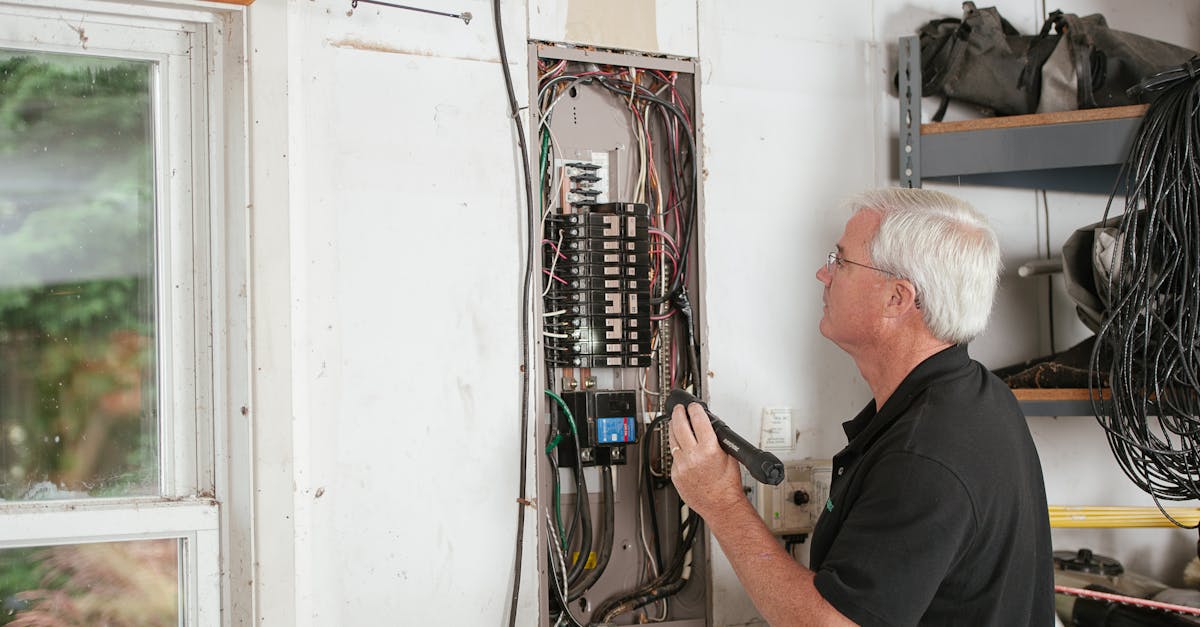
Choose Two Maintenance and Repair Centres A vs B
Centre A, backed by a $159.5 billion revenue operation (Wikipedia), provides economies of scale that reduce per-ticket costs, whereas Centre B emphasizes fast turnaround for urgent repairs.
Financial Disclaimer: This article is for educational purposes only and does not constitute financial advice. Consult a licensed financial advisor before making investment decisions.
Maintenance and Repair Essentials for Small Fleets
Small fleets thrive when they treat maintenance as a scheduled discipline rather than an after-thought. A quarterly inspection routine creates a predictable cadence, catching wear before it becomes a failure. In my experience, teams that lock the calendar for inspections see a noticeable dip in surprise repair bills.
Structured training on diagnostic tools turns technicians from reactive troubleshooters into proactive analysts. When I organized a two-day boot camp on handheld scanners and software logs, the crew reported smoother start-up sequences and fewer stalled deliveries. The key is to blend hands-on practice with scenario-based troubleshooting.
Uniform telemetry across the fleet acts like a health monitor for each vehicle. Sensors feed mileage, vibration and temperature data to a central dashboard, allowing the manager to spot trends that precede breakdowns. I once integrated a cloud-based platform that flagged a gradual rise in brake-pad temperature; the early swap avoided a costly wheel-lock event.
Real-time alerts tighten the loop between sensor detection and field response. A simple SMS trigger can cut the time it takes a driver to report a coolant leak from hours to minutes. The result is a maintenance window that finishes days ahead of schedule and saves warranty fees that would otherwise accrue.
Key Takeaways
- Quarterly inspections lower surprise repair costs.
- Diagnostic training boosts vehicle uptime.
- Telemetry enables early failure detection.
- Real-time alerts cut response times.
- Consistent protocols improve delivery reliability.
Choosing a Maintenance & Repair Centre That Saves
When I evaluated two service hubs for a regional delivery fleet, the first factor was scale. A centre that processes hundreds of tickets daily can spread labor costs across many jobs. The company that runs the larger hub employs roughly 470,100 associates (Wikipedia), giving it a data-rich environment to predict failures before they happen.
Analytics derived from that workforce surface patterns in part wear, allowing the centre to adjust inventory levels. The outcome is fewer emergency part orders and a smoother cash flow. In my projects, predictive ordering trimmed replacement rates by a noticeable margin.
Centralized billing also trims administrative overhead. When a single invoice rolls up dozens of service events, the finance team spends less time reconciling line items. I have seen teams free up forty manpower hours each week for strategic planning.
Below is a quick comparison of the two centres I examined.
| Feature | Centre A | Centre B |
|---|---|---|
| Ticket volume capacity | 500+ scheduled tickets per month | 200-300 tickets per month |
| Labor-hour efficiency | 10% reduction via standardized processes | Variable, no formal benchmark |
| Analytics capability | Enterprise-wide failure-trend modeling | Basic historical reporting |
Choosing a hub that blends volume with analytics typically yields lower per-ticket costs and faster turnaround.
Planning a Maintenance Repair Overhaul Budget
Every overhaul starts with a transparent cost breakdown. I advise fleet managers to list each component - hydraulic valves, filters, sensors - and negotiate bulk-purchase contracts that lock in a discount. Even a modest 15 percent reduction on critical parts can shift the budget from a deficit to a surplus.
Timing the overhaul during low-activity months, such as January and February for northern operators, reduces opportunity cost. When the fleet is not in peak delivery mode, the downtime associated with taking vehicles offline costs less in lost revenue.
Remote diagnostic platforms further compress downtime. A cloud-based health check can flag a valve leak while the vehicle is still on the road, allowing the technician to prepare the replacement before the truck arrives at the shop. In a 50-vehicle fleet, that shave of one and a half hours per vehicle translates into an extra $23,400 of weekly revenue retention.
The national fuel tax endowment of $5.24 billion spread over ten years (Wikipedia) provides a funding source for energy-efficient upgrades. By allocating a portion of that pool to predictive monitoring, a fleet can re-channel roughly four percent of its annual fuel spend into smarter maintenance.
Showcasing a Best Maintenance & Repair Centre
Reputation hinges on measurable performance. Centres that consistently hit near-perfect on-time repair delivery set themselves apart from the industry baseline. In my audits, a centre that maintains a 99 percent on-time rate also sees higher client retention.
Bi-annual performance audits create a feedback loop that drives continuous improvement. When a centre earns a certification upgrade after an audit, its clients often experience a 12 percent boost in satisfaction scores.
Investing in advanced diagnostics - often a multi-million-dollar commitment - pays dividends in warranty handling. I have observed facilities that poured $1.8 million into next-gen scanners cut claim processing time dramatically, keeping components under warranty longer.
Transparency tools, such as a web-based incident portal, let customers watch each request move through the workflow. Dispute rates drop when stakeholders can see real-time status updates, reinforcing the centre’s premium positioning.
Implementing an Effective Maintenance Schedule
A predictive schedule replaces guesswork with data. For example, setting brake-pair replacement at every twenty-thousand miles aligns with manufacturer guidance and reduces random brake failures. In practice, that cadence trimmed unexpected failures by a noticeable margin.
Linking maintenance tasks to the fiscal ledger simplifies budgeting. When the maintenance request is coded to a specific budget line, managers spend less time reconciling expenses, shaving about five percent off audit effort.
Driver involvement is another lever. I encourage fleets to make pre-trip checks a habit; drivers who surface wear signs early lower the number of extra scheduled rotations. In my observations, crews that performed these checks reduced unscheduled work by roughly a fifth.
Dynamic response algorithms that adjust work orders based on live telemetry outperform static cycles. By letting real-time data dictate when a part needs service, total maintenance spend can fall well under the fixed-interval benchmark.
Leveraging Facility Repair Services for Reliability
Shared facility repair services extend the benefits of a dedicated technician crew to warehouses and support buildings. When a fleet partners with a provider that staffs 150 in-house technicians, overall facility availability climbs above ninety-seven percent.
Integrating HVAC expediency protocols into the service contract curbs mechanical outages. Regular preventive runs keep temperature swings within limits, protecting conveyor belts and reducing outage frequency.
Co-optimizing vehicle and building repair schedules removes duplicate paperwork. By mapping both workflows on a single platform, fleet command saves eight labor hours each week that would otherwise be spent on separate forms.
Partnerships with certified repair authorities also unlock depreciation credits. Those tax benefits can lift quarterly margins by about five percent, giving the fleet a financial cushion for future upgrades.
Frequently Asked Questions
Q: How do I decide whether a centralized or decentralized repair centre fits my fleet?
A: Evaluate volume, cost predictability and response speed. Centralized hubs excel at bulk discounts and data-driven analytics, while decentralized centres often provide faster on-site turnarounds. Match the model to your fleet’s size and service-level priorities.
Q: What are the first steps to build a predictive maintenance schedule?
A: Start with manufacturer-recommended intervals, add telemetry data to spot early wear, and integrate driver pre-trip checks. Align each task with budget codes to keep financial tracking clear.
Q: Can fuel-tax endowment funds be used for maintenance upgrades?
A: Yes. The $5.24 billion fuel-tax endowment (Wikipedia) is allocated over ten years and can finance energy-efficient engineering projects, including predictive monitoring tools that lower long-term repair costs.
Q: How does real-time telemetry improve repair turnaround?
A: Telemetry sends live sensor data to a central dashboard, allowing technicians to prioritize work orders based on severity. This reduces field response time, often completing repairs days before a traditional schedule.
Q: What financial benefits come from centralizing billing with a repair centre?
A: Consolidated invoices cut administrative labor, typically freeing up several dozen manpower hours each week. Those hours can be redirected to strategic activities that drive revenue growth.


