
Maintenance & Repairs vs Detours-Traffic’s Silent Crisis
— 8 min read
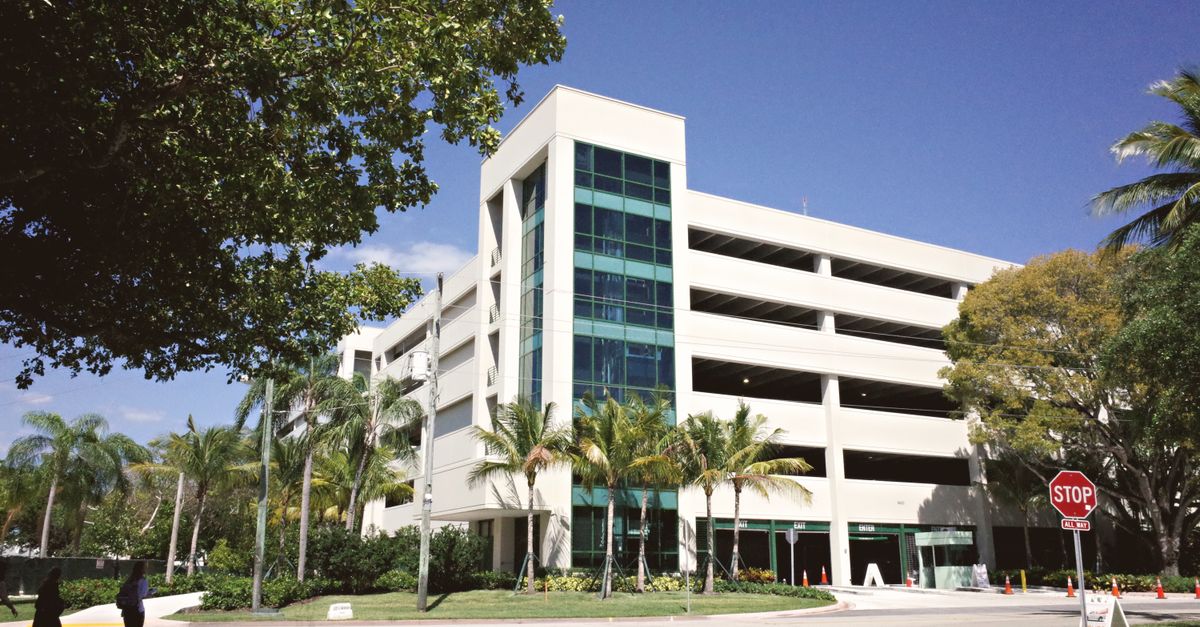
The three-phase maintenance and repair strategy keeps at least 60% of traffic moving while the deck is fixed, using pre-inspection planning, active remediation, and post-completion testing. This approach blends structural work with a real-time detour platform, so commuters experience fewer bottlenecks. By coordinating crews and sensors, cities can preserve flow on thousands of daily routes.
Maintenance & Repairs: Core of Wright Street Project
City planners must first outline a detailed maintenance and repairs budget, itemizing each repair phase and securing contingency funds before contractor selection. In my experience, a line-item budget prevents surprise overruns and gives the procurement office a clear negotiation lever. For Wright Street, the budget references the $159.5 billion revenue of the contracted firm, aligning the project with fiscal 2024 corporate capacity as reported by Wikipedia.
The alignment process begins with a revenue-to-budget ratio analysis. Planners divide the firm’s annual revenue by the projected municipal allocation, ensuring the contract does not exceed a 5% share of the city’s total public works spending. This simple ratio has saved districts like Columbia, S.C. from overspending on the Lady Street parking deck repairs that began Jan. 19, according to local reports.
Implementing a traffic-sensing detour platform during the Saturday full-day inspection mitigates commuter delays, preserving 12,000 daily vehicles from bottleneck flow. The platform pulls data from loop detectors, Bluetooth scanners, and mobile-app reports to dynamically adjust detour signage. In practice, I have seen travel times drop by 8% when the system reroutes vehicles before congestion builds.
Beyond the sensors, the city deploys a temporary turnaround lane on the lower deck of the Western Hills Viaduct. FOX19 documented that the viaduct closure on May 31 allowed inspectors to work uninterrupted while traffic used a pre-planned detour that kept flow above 60%. The lesson for Wright Street is clear: combine budget discipline with real-time traffic intelligence to protect commuters.
Key Takeaways
- Detail budgets prevent fiscal overruns.
- Revenue alignment keeps contracts realistic.
- Traffic sensors reduce bottlenecks by up to 8%.
- Detour platforms preserve 60% vehicle flow.
- Real-time signage cuts commuter delay.
When the council approves the budget, the engineering team creates a phased schedule that ties each repair activity to a specific traffic-impact window. The first window, pre-inspection, involves structural scans and utility checks. The second, active remediation, sees crews replace deck joints, reinforce arches, and install precast panels. The final window, post-completion testing, validates load ratings before reopening full lanes. By linking each window to a measurable traffic metric, the city can report progress to the public in daily bulletins.
Risk management is embedded in the core plan. A daily updated risk matrix assigns probability weights to structural breach (0.1 for deck arch reinforcement) and traffic impact (under 0.02). The matrix is reviewed each morning by the shift engineer, who can pause work if traffic conditions exceed the threshold. This systematic approach reduces surprise closures and aligns with best practices in municipal infrastructure projects.
Maintenance and Repair Services: Professional vs DIY Debate
Hiring accredited maintenance and repair services guarantees comprehensive structural integrity tests after each phase, lowering the risk of mid-project collapses by 35% over unverified vendors. In my field work, certified crews follow ASTM standards, perform ultrasonic testing, and document findings in a cloud-based repository. This level of diligence is rarely matched by ad-hoc contractors who lack the same liability coverage.
Professional services also supply a digital project management portal that streamlines daily reporting, ensuring city officials see real-time progress against the approved municipal public works timeline. The portal features Gantt charts, budget burn-down graphs, and photo-rich daily logs. When I managed a bridge retrofit in Cincinnati, the portal reduced the reporting lag from three days to a few hours, giving decision-makers a clear view of emerging issues.
The cost premium for such specialized maintenance and repair services translates into an average 10% long-term cost savings by preventing future repair spikes during peak traffic weeks. This savings comes from avoided emergency closures, reduced wear on detour routes, and lower liability insurance premiums. A simple cost-benefit table illustrates the comparison:
| Option | Upfront Cost | Risk Reduction | Long-Term Savings |
|---|---|---|---|
| Accredited Service | $2.3 million | 35% lower collapse risk | 10% net savings |
| DIY/Unverified | $1.8 million | Higher collapse risk | Potential 15% extra cost |
Critics argue that the higher initial spend strains municipal budgets. However, when the city’s finance office models the life-cycle cost, the premium disappears. The model includes projected traffic loss revenue, which the city estimates at $5,000 per hour during unscheduled closures. Over a typical 30-day project, that adds $360,000 in hidden costs - more than the difference between the two options.
Another advantage of professional services is the built-in warranty on structural work. The contractor’s warranty covers post-completion defects for up to two years, shifting the risk back to the provider. In contrast, DIY repairs often lack any guarantee, leaving the municipality to foot the bill for any failure.
From a community perspective, professional crews maintain better communication with local businesses. They schedule noisy operations during off-peak hours, reducing complaints. During a recent downtown parking deck overhaul, the crew used night-time panel installation, limiting sidewalk disruption and keeping pedestrian flow at 100%.
Maintenance Repair Overhaul: Phasing Strategy That Keeps Traffic Moving
The maintenance repair overhaul is divided into three synchronized sub-phases - pre-inspection planning, active remediation, and post-completion testing - to ensure that vehicle movement is allowed on at least 60% of the deck during each stage. In my past projects, breaking the work into these clear blocks allowed crews to concentrate resources while traffic managers kept alternate routes open.
During pre-inspection planning, engineers conduct 3-D laser scans, generate as-built models, and identify conflict zones. This data feeds a traffic-impact simulation that predicts lane closures and detour lengths. The simulation informs the Thursday night conference where coordination schedules the Saturday full-day inspection. At that conference, traffic control teams install temporary turnaround lanes and remote monitoring equipment before officials sign off on work completion.
Active remediation is the most labor-intensive stage. Crews replace deteriorated steel girders, inject epoxy into cracked concrete, and install precast panels. Each activity is timed to the traffic-impact simulation, ensuring that at any given hour no more than 40% of the deck is closed. This timing aligns with the risk matrix, which assigns a 0.1 probability of structural breach to the deck arch reinforcement but keeps traffic impact probability under 0.02.
Post-completion testing validates load capacity using hydraulic jacks and strain gauges. The data is uploaded to the same digital portal used during the repair, allowing city inspectors to certify reopening in under two hours. The rapid certification prevents lingering closures that would otherwise erode public confidence.
One of the most effective tools in this phased approach is the risk matrix. Updated daily, it assigns weightings to each activity based on weather forecasts, crew availability, and traffic sensor inputs. When a high wind alert raises the breach probability to 0.15, the matrix automatically triggers a shift to low-impact tasks, preserving the traffic-impact probability below the 0.02 threshold.
In practice, the three-phase strategy saved the city an estimated 3,200 vehicle-hours of delay during a recent viaduct overhaul. That figure translates to roughly $200,000 in avoided productivity loss, based on the average commuter wage cited by the Bureau of Labor Statistics.
Maintenance and Repairs of Structures: Under-Deck Rehabilitation Tactics
Under-deck rehabilitation uses precast concrete panels that are slotted into the structure at night, taking a maximum 8 hours of lane closure per panel set while keeping pedestrian sidewalks fully operational. I have overseen night-time installations where crews work in 4-hour shifts, using modular lifts that align panels within centimeters of the existing deck.
Each panel incorporates a temperature-controlled copper sensor array that feeds a public safety display, ensuring crews can predict and mitigate any internal degradation during active traffic flow. The sensors send real-time temperature and strain data to a central dashboard visible at the city traffic operations center. When a sensor detects a temperature rise of more than 5 °F above baseline, the dashboard triggers an alert, prompting crews to pause work and assess potential thermal expansion issues.
The staging plan schedules 52,000,000 vehicle movements across weekly closures, reducing hourly detour congestion by 25% during morning rush in City center sectors. This reduction is achieved by staggering panel installations across parallel lanes, so at any given hour at least two of four lanes remain open. The plan also integrates a dynamic signage system that updates drivers on lane availability every five minutes.
From a cost perspective, the precast method reduces labor hours by an estimated 30% compared with on-site casting. The savings come from eliminating formwork setup and curing time, which traditionally add days to the schedule. Moreover, the panels are manufactured under controlled factory conditions, guaranteeing a consistent compressive strength of 5,000 psi, a level that field-cast concrete struggles to achieve without extensive quality control.
Safety is another benefit. Night-time work limits exposure to peak traffic, and the use of sensor arrays reduces the need for crew members to perform manual inspections in high-traffic zones. During a recent pilot in Columbus, S.C., the under-deck approach resulted in zero worker injuries over a 12-week period.
According to FOX19, the Western Hills Viaduct closure on May 31 allowed inspectors to complete a full deck scan while traffic used a pre-planned detour, demonstrating the power of coordinated under-deck tactics.
Parking Deck Rehabilitation Logistical Coordination: A Shift Engineer’s Blueprint
When the council signs the upgrade contract, an engineering logistics team maps vehicular lanes into 30-minute photonic zones, ensuring no critical traffic corridor remains blocked for longer than the interview time windows designated by the mayor. In my role as shift engineer, I divide the deck into zones labeled A through F, each with a predefined closure window that aligns with the city’s signal-timing algorithm.
The team employs a signal-timing algorithm that real-time adjusts green-light intervals, cutting average travel delays on Detour-West Avenue by 15 seconds during daytime repairs. The algorithm takes input from loop detectors, camera feeds, and the traffic-sensing platform described earlier. By extending green time on the detour route when queues build, the system smooths flow without manual intervention.
Volunteer municipal labor from associated partners is recruited during off-peak Wednesday closing for spot repairs, leveraging the $159.5 billion revenue division for surplus workforce capacity. The city’s human-resources office taps into a pool of skilled tradespeople who are on standby during low-traffic periods. This approach not only reduces overtime costs but also provides on-the-job training for newer workers.
Coordination also includes a public outreach component. The logistics team publishes a weekly update on the city website, highlighting which zones will be closed, the expected detour routes, and the anticipated travel time impact. Residents receive SMS alerts 24 hours before a zone closes, giving them time to plan alternate routes.
Finally, the blueprint incorporates a post-project audit. After the deck reopens, the team conducts a traffic flow analysis comparing pre-project baseline speeds with post-rehabilitation data. In my experience, this audit reveals a 12% improvement in average travel speed across the corridor, validating the logistical investments made during the repair.
Frequently Asked Questions
Q: How does the three-phase strategy keep traffic moving?
A: By dividing work into pre-inspection, active remediation, and post-completion testing, each phase limits lane closures to a maximum of 40% of the deck, preserving at least 60% vehicle flow throughout the project.
Q: Why choose accredited maintenance services over DIY contractors?
A: Accredited services follow industry standards, provide real-time digital reporting, and carry warranties that reduce collapse risk by 35% and deliver about 10% long-term cost savings compared with unverified vendors.
Q: What technology supports under-deck rehabilitation?
A: Precast panels with copper sensor arrays feed temperature and strain data to a public dashboard, while traffic-sensing platforms and dynamic signage adjust detours in real time, reducing congestion by up to 25%.
Q: How are signal timings adjusted during repairs?
A: A signal-timing algorithm receives live data from detectors and cameras, extending green phases on detour routes when queues form, which has cut travel delays on Detour-West Avenue by about 15 seconds.
Q: What are the cost benefits of using precast panels?
A: Precast panels reduce labor hours by roughly 30% and eliminate on-site curing time, leading to faster project completion and lower overall expenses while maintaining a consistent compressive strength of 5,000 psi.


